
Understanding ERC Austin TX: Mental Health Care vs. Business Tax Credits
ERC Austin TX can refer to two completely different services depending on your needs. Here’s what you need to know:
Eating Recovery Center (ERC) Austin TX:
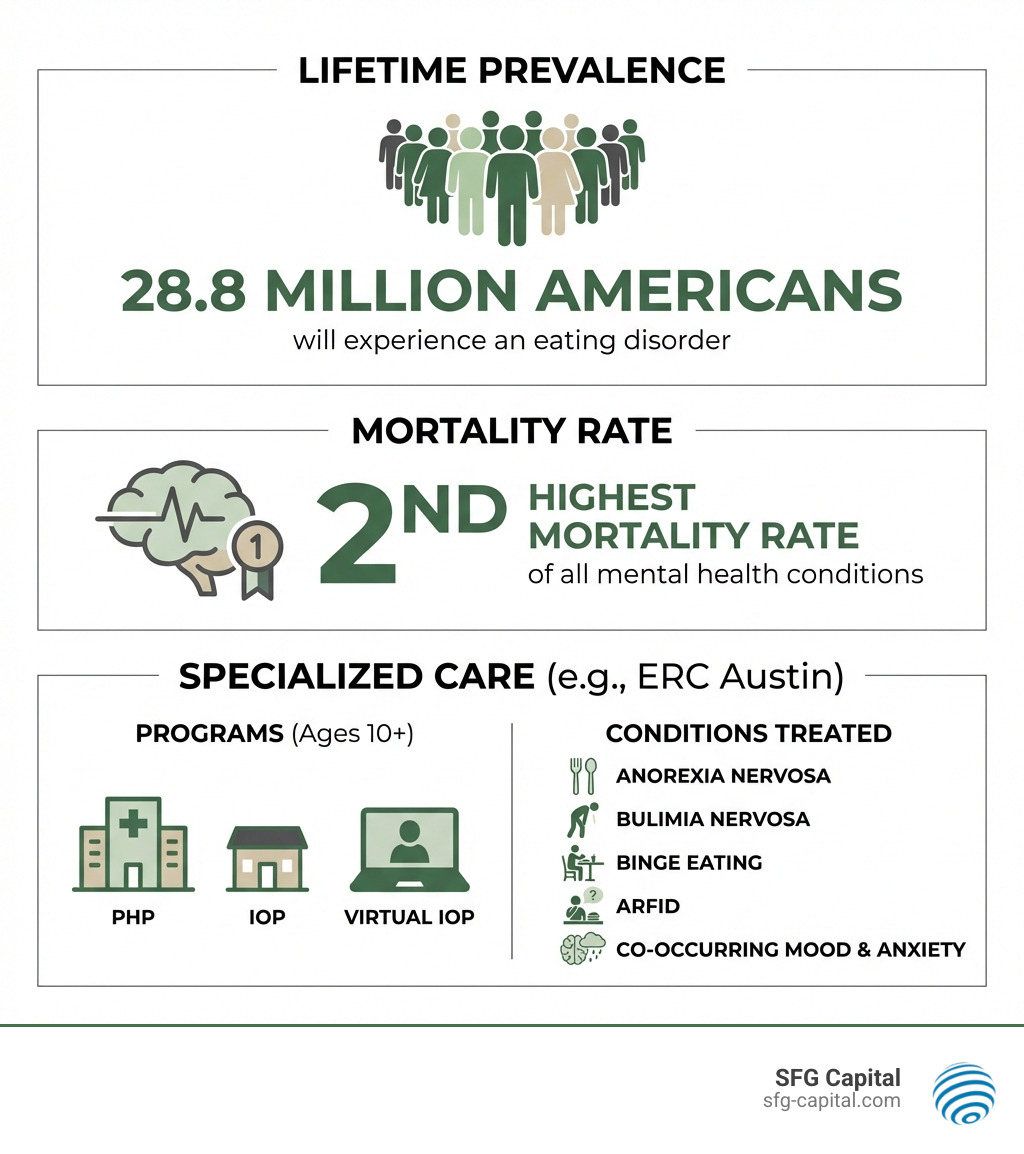
- What it is: A specialized treatment center for eating disorders and co-occurring mental health conditions
- Services offered: Partial Hospitalization Program (PHP), Intensive Outpatient Program (IOP), Virtual IOP
- Who they serve: Children (ages 10+), adolescents, adults, and University of Texas students
- Phone: 877-825-8584
- Conditions treated: Anorexia, bulimia, binge eating disorder, ARFID, anxiety, depression, trauma
Employee Retention Credit (ERC) – Austin, TX:
- What it is: A federal tax credit program for businesses that retained employees during COVID-19
- Who qualifies: Businesses that experienced revenue decline or government-mandated shutdowns
- Potential benefit: Up to $26,000 per employee
- Current status: IRS processing delays; claims can take 12+ months
This guide focuses on eating disorder treatment at ERC Austin TX, not the business tax credit. If you’re looking for help with eating disorders for yourself or a loved one, you’re in the right place. If you need help with the Employee Retention Credit for your business, visit our ERC services page.
The confusion around “ERC” is understandable. Both represent critical support systems—one for individual health, one for business health. Both require expert guidance and can feel overwhelming to steer alone.
I’m Santino Battaglieri, and while my expertise lies in helping businesses steer the Employee Retention Credit process rather than eating disorder treatment, I understand the importance of connecting people with the right resources for ERC Austin TX, whatever that means for their specific situation. This article will help you understand what Eating Recovery Center Austin offers and how to access their services.
What is ERC Austin? A Deep Dive into Their Philosophy and Treatments
When we talk about Eating Recovery Center Austin TX, we’re referring to a guide of hope for individuals and families struggling with eating disorders. Our research indicates that the Eating Recovery Center (ERC) is a national leader in mental health care, committed to guiding patients “out of the darkness and into life.” The Austin location embodies this mission, offering a comprehensive, evidence-based approach to recovery that addresses not just the behaviors associated with eating disorders, but also the underlying psychological and emotional factors.
At the heart of ERC Austin’s philosophy is the belief in holistic recovery. This means they don’t just treat the symptoms; they treat the whole person. We see a strong emphasis on individualized care, recognizing that each patient’s journey is unique. This bespoke approach is delivered by a multi-disciplinary team of compassionate experts, ensuring that every aspect of a patient’s well-being—medical, psychiatric, and nutritional—is carefully considered and supported. Their goal is to illuminate each patient’s unique path forward, building a foundation for resilience and long-lasting mental wellness.

Specific Eating Disorder Treatments and Therapies
ERC Austin employs a range of evidence-based therapies proven effective in treating eating disorders. These aren’t just buzzwords; they are structured, therapeutic interventions designed to create lasting change. Our research highlights several key modalities:
- Cognitive Behavioral Therapy (CBT): This therapy helps patients identify and change unhelpful thinking patterns and behaviors that contribute to their eating disorder. It’s about understanding the “why” behind actions and developing healthier coping mechanisms.
- Dialectical Behavior Therapy (DBT): Often used for individuals who struggle with intense emotions and impulsive behaviors, DBT focuses on teaching skills in mindfulness, emotion regulation, distress tolerance, and interpersonal effectiveness.
- Family-Based Treatment (FBT): Particularly crucial for children and adolescents, FBT empowers parents to play an active role in their child’s recovery, helping them to restore healthy eating patterns and weight at home.
- Exposure and Response Prevention (ERP): This specialized form of CBT is highly effective for conditions like bulimia nervosa and ARFID, helping patients confront feared foods or situations and prevent ritualistic behaviors.
- Radically Open Dialectical Behavior Therapy (RO-DBT): A newer approach, RO-DBT is custom for individuals with disorders characterized by overcontrol, such as anorexia nervosa. It helps patients develop emotional flexibility, openness, and social connectedness.
By offering this diverse toolkit of therapies, ERC Austin ensures that treatment plans are precisely custom to meet the complex and varied needs of their patients.
The Role of Experiential and Integrative Therapies
Beyond traditional talk therapies, ERC Austin understands the power of engaging the mind and body through experiential and integrative approaches. These therapies offer creative outlets for self-expression, stress reduction, and building a healthier relationship with one’s body. Our research points to several key experiential therapies integrated into their programs:
- Yoga therapy: This practice combines physical postures, breathing exercises, and meditation to improve body awareness, reduce anxiety, and foster a sense of peace. It helps patients reconnect with their bodies in a positive, non-judgmental way.
- Art therapy: Provides a non-verbal means for patients to express difficult emotions, explore identity, and process trauma without the pressure of finding the “right” words. It’s a powerful tool for self-findy and healing.
- Movement therapy: Encourages patients to explore their relationship with their bodies through physical activity, promoting self-acceptance and challenging negative body image perceptions.
- Mindfulness practices: These techniques teach patients to be present, observe their thoughts and feelings without judgment, and develop a greater sense of calm and control.
- Body image work: Dedicated sessions help patients challenge societal ideals, appreciate their bodies for their functionality, and cultivate self-compassion.
These integrative therapies complement clinical treatment by providing avenues for emotional processing, stress reduction, and fostering a more positive body image, which are all crucial for sustainable recovery.
The Expertise Behind the Care
The effectiveness of any treatment center hinges on the quality and dedication of its staff. At ERC Austin TX, we find a team of highly qualified and compassionate professionals. Our research confirms that their multi-disciplinary teams typically include:
- Licensed Therapists: These professionals hold advanced degrees and licenses in psychology, counseling, or social work, providing individual, group, and family therapy.
- Registered Dietitians (RDs): Specialized in eating disorder recovery, RDs help patients restore nutritional balance, challenge food fears, and develop healthy eating habits. They are crucial in re-establishing a normal relationship with food.
- Psychiatrists: Medical doctors specializing in mental health, psychiatrists at ERC Austin provide medication management when necessary, addressing co-occurring conditions like depression, anxiety, or OCD that often accompany eating disorders.
- Medical Staff: A team of nurses and other medical professionals ensures the physical health and safety of patients, especially those in higher levels of care who may require medical monitoring.
This team works collaboratively, ensuring that patients receive comprehensive and integrated care. The emphasis on ongoing professional development means that staff members stay abreast of the latest research and best practices in eating disorder treatment, continually refining their skills to provide the highest quality of care. Their collective expertise and compassionate approach are fundamental to lighting the way toward eating disorder recovery for their patients.
Levels of Care and Specialized Programs at ERC Austin TX
Navigating the journey to recovery from an eating disorder often involves different stages of support. Eating Recovery Center Austin TX is designed to provide a continuum of care, meaning that patients can transition between various levels of treatment as their needs change. This flexible approach allows for a “stepping down” process, where individuals move from more intensive programs to less intensive ones as they gain strength and independence. This ensures that support is always calibrated to the patient’s current stage of recovery, promoting sustained healing and preventing relapse.
The availability of virtual treatment options also ensures accessibility, especially for those who might face geographical barriers or prefer the comfort of their home environment for certain aspects of their recovery. Furthermore, ERC Austin acknowledges the commonality of co-occurring conditions—mental health challenges that often accompany eating disorders—and integrates treatment for these into their programs. Their trauma-informed care approach recognizes the profound impact of past trauma on eating disorder development and recovery, ensuring a safe and supportive environment for all patients.

Available Levels of Care
ERC Austin offers several distinct levels of care, each designed to meet varying degrees of clinical need:
- Partial Hospitalization Program (PHP): This is an intensive, structured program that typically runs for several hours a day, multiple days a week. Patients attend therapy sessions, group meals, and educational workshops, returning home in the evenings. It offers significant support while allowing patients to practice recovery skills in their home environment.
- Intensive Outpatient Program (IOP): Less intensive than PHP, IOP provides structured therapy and support for several hours, a few days a week. It’s often a step-down from PHP or a starting point for individuals who need more support than traditional outpatient therapy but don’t require daily supervision.
- Virtual Intensive Outpatient Program (VIOP): Leveraging telebehavioral health services, VIOP delivers the same high-quality IOP programming through a secure online platform. This is particularly beneficial for increasing accessibility and flexibility, allowing patients to receive care from the comfort of their homes in Austin, Travis County, or elsewhere in Texas. We understand how crucial accessible care is, and virtual options make a significant difference.
For those interested in exploring more about our services and how they might align with your financial needs, you can find More info about our services.
Who is the Target Population for ERC Austin TX?
Eating Recovery Center Austin TX is committed to providing inclusive care across a broad spectrum of individuals. Our research details their target demographic:
- Children (10+): Early intervention is critical for eating disorders, and ERC Austin provides specialized programs for younger patients.
- Adolescents: This crucial developmental stage often sees the onset of eating disorders, and custom programs address the unique challenges of this age group.
- Adults: Comprehensive treatment is available for adults of all ages, recognizing that eating disorders can affect anyone at any point in life.
- All Genders: ERC Austin provides affirming care for individuals of all gender identities, understanding that eating disorders do not discriminate.
A particularly unique offering in Austin is their special on-campus and virtual program specifically for University of Texas students. This partnership provides convenient and specialized IOP and Virtual IOP services exclusively for those attending the university. This custom support acknowledges the specific pressures and environmental factors that can impact student mental health. If you’re a UT student, you can learn more about the university and potentially this program through their official website: A look at the UT Austin program.
Specialized Treatment Tracks
Beyond general eating disorder treatment, ERC Austin TX is known for its ability to address specific types of eating disorders and co-occurring mental health conditions. Their expertise extends to:
- Binge Eating Disorder (BED): As a national center, ERC offers a specialty track called BETR for Binge Eating Disorder. This program is designed to help individuals understand and manage binge eating behaviors, addressing the underlying emotional and psychological triggers.
- Avoidant/Restrictive Food Intake Disorder (ARFID): This complex disorder involves a limited intake of food not due to body image concerns. ERC has launched specialized ARFID programs, recognizing the unique challenges and treatment approaches required for this condition.
- Anorexia Nervosa and Bulimia Nervosa: These are core areas of expertise, with comprehensive programs designed to address severe malnutrition, medical complications, and the psychological aspects of these life-threatening illnesses.
- Mood and Anxiety Disorders: Through their broader network, including partnerships like Pathlight Mood & Anxiety Center, ERC Austin effectively treats co-occurring conditions such as depressive disorders, anxiety disorders, and PTSD. This integrated approach is vital, as eating disorders rarely exist in isolation.
- Co-occurring Substance Use: While not explicitly detailed for Austin, the broader ERC network often addresses substance use disorders that may co-occur with eating disorders, ensuring a holistic recovery plan.
This specialization ensures that patients receive highly targeted and effective care, regardless of the complexity of their presentation. The multi-faceted approach to treatment, encompassing both the eating disorder and any co-occurring mental health challenges, is a hallmark of their commitment to comprehensive recovery.
The Path to Recovery: Your Treatment Journey and Support System
Starting on the path to recovery from an eating disorder is a brave and transformative journey. At Eating Recovery Center Austin TX, we understand that this path isn’t walked alone. A robust support system, including family involvement and thorough aftercare planning, is crucial for long-term wellness and community integration. We believe in empowering patients with the skills and confidence they need, while also providing a safety net of continued care.
How to Access Services at ERC Austin TX
Taking the first step is often the hardest, but ERC Austin strives to make it as straightforward as possible. Here’s how individuals can access their services or learn more:
- Free Eating Disorder Screening: This is an excellent starting point for anyone unsure if they or a loved one needs help. Screenings are confidential and provide an initial assessment of needs.
- Admissions Process: Once a need is identified, the admissions team guides prospective patients and their families through the evaluation and intake process. They work to understand the patient’s history and current condition to recommend the most appropriate level of care.
- Contact Information: For direct inquiries, the phone number provided is 877-825-8584. This helpline serves as a central point of contact for treatment referrals, support, and general questions.
- Website Details: While specific Austin website details are often integrated into the main ERC site, navigating to the Austin location page on eatingrecoverycenter.com will provide comprehensive information.
- Helpline Number: The free Eating Disorders Helpline at (888) 375-7767 (available Monday-Friday, 9 am-9 pm CST) is another invaluable resource for support and guidance, even before formal admission.
We encourage anyone considering treatment to reach out. The team at ERC Austin TX is ready to answer questions and provide the clarity needed to begin the healing process.
Family Involvement and Aftercare
Recovery is a family affair, and Eating Recovery Center Austin TX places significant emphasis on integrating loved ones into the treatment process. This involvement is critical for fostering a supportive home environment and ensuring long-term success.
- Family Therapy Sessions: These sessions provide a safe space for family members to understand the eating disorder, improve communication, and learn how to support their loved one’s recovery effectively.
- Educational Groups for Families: These groups offer vital information about eating disorders, treatment strategies, and the challenges of recovery, equipping families with knowledge and coping skills.
- Relapse Prevention Planning: As treatment progresses, a comprehensive relapse prevention plan is developed. This involves identifying triggers, developing coping strategies, and establishing a support network to maintain recovery long after discharge.
- Alumni Support Network: Many recovery centers, including ERC, foster alumni communities. These networks provide ongoing peer support, mentorship, and a sense of belonging, which are invaluable for sustained wellness.
- Discharge Planning: This crucial step ensures a smooth transition from treatment back to daily life. It includes referrals to outpatient therapists, dietitians, and support groups in the local community, creating a robust framework for continued progress.
The goal is not just to treat the individual but to empower the entire family system to support lasting recovery.
Insurance and Location Information
Understanding the financial aspects of treatment is a significant concern for many families. Eating Recovery Center Austin TX works with a variety of insurance providers to make treatment accessible.
- In-Network Providers: Our research indicates that ERC Austin accepts a broad range of insurance plans. While specific coverage varies, commonly accepted plans include:
- Aetna/First Health
- BCBS-TX
- Guide Value Options
- Baylor Scott & White
- Cigna
- ComPsych
- EBMS
- Friday Health Plans
- Humana/Lifesynch
- Magellan
- MODA
- Multiplan
- PMCS
- Seaton
- Superior/Ambetter (PAR for Virtual and Core only)
- United/Optum
- TRICARE EAST (though with some limitations, “NOT ALL” plans are accepted).
- Insurance Coverage Verification: It’s always best practice to contact ERC Austin’s admissions team directly to verify your specific insurance benefits and understand any out-of-pocket costs. They can guide you through the process, which can sometimes feel like a puzzle.
- Physical Location in Austin: The main Austin location for Eating Recovery Center offers PHP, IOP, and Virtual IOP services. Additionally, there’s a special on-campus and virtual location providing IOP and Virtual IOP exclusively for UT students. While a specific street address isn’t provided in the general overviews, their contact number (877-825-8584) will lead you to detailed location information for their Austin facilities. You can also explore their specific Austin page on the Eating Recovery Center website for the most current details.
We understand that navigating insurance and finding the right location can be challenging, but the ERC Austin team is there to assist you every step of the way.
Financial Lifelines for Healthcare Businesses
While this article primarily focuses on the Eating Recovery Center Austin TX and its vital services, we want to briefly revisit the other “ERC” that might have brought you here: the Employee Retention Credit. For many healthcare providers, especially smaller clinics or specialized treatment centers like some in Austin, maintaining financial stability is crucial for continuing to offer essential services. The economic challenges posed by recent global events have highlighted the need for businesses to access every available financial lifeline.
Healthcare providers, like all businesses, face operational costs, payroll, and the need to invest in their staff and facilities. When unexpected economic downturns or government mandates impact operations, programs like the Employee Retention Credit can be a game-changer. This federal tax credit was designed to support businesses that kept their teams employed during the COVID-19 pandemic, providing significant financial relief.
However, accessing these funds can be complicated. The IRS process for claiming the ERC can be lengthy, with many businesses experiencing significant delays, sometimes waiting over a year for their refunds. This is where organizations like SFG Capital step in. We specialize in helping businesses in Travis County, Austin, and across the United States expedite their Employee Retention Credit refunds. Our services are designed to bypass the IRS delays by offering advances or buyouts, providing quick access to much-needed capital. We operate on a performance-based fee, meaning our success is tied to yours, ensuring expert claim assistance without upfront risk.
We believe that supporting essential services, including those in the healthcare sector, is vital for our communities. Just as Eating Recovery Center provides a lifeline for individuals, we aim to provide a financial lifeline for businesses. To learn more about our commitment to supporting businesses and our expertise, visit our About Us page.
Conclusion
The journey toward healing from an eating disorder is profound, demanding courage, perseverance, and, most importantly, the right support. Eating Recovery Center Austin TX stands as a testament to hope, offering comprehensive, evidence-based treatment that addresses the complex interplay of mind, body, and spirit. From individualized therapeutic interventions like CBT and DBT to the integrative power of art and yoga therapy, their approach is designed to foster lasting wellness. With multiple levels of care, specialized programs for specific disorders like ARFID and BED, and dedicated support for children, adolescents, and adults—including a unique program for UT students—ERC Austin ensures that no one has to face this battle alone.
We’ve seen how crucial family involvement is, how meticulous aftercare planning solidifies recovery, and how accessible services, including virtual options, remove barriers to healing. The compassionate team of licensed therapists, registered dietitians, psychiatrists, and medical staff are the backbone of this journey, providing the expertise and empathy needed to guide individuals toward a life free from the grip of an eating disorder.
Just as individuals and families seek expert guidance for their health, businesses too need expert financial support to thrive and continue providing their valuable services. Whether you’re navigating the complexities of an eating disorder or the intricacies of business finance, finding the right “ERC” can make all the difference.
If you are a business owner in Austin, Travis County, or anywhere in the U.S., facing IRS delays in receiving your Employee Retention Credit, know that financial lifelines are available. We at SFG Capital are here to help you access the funds your business earned, ensuring you can continue to serve your community and support your employees.
Don’t let delays hinder your business’s potential. Take the next step towards securing your financial future. Get help with your Employee Retention Credit claim today.